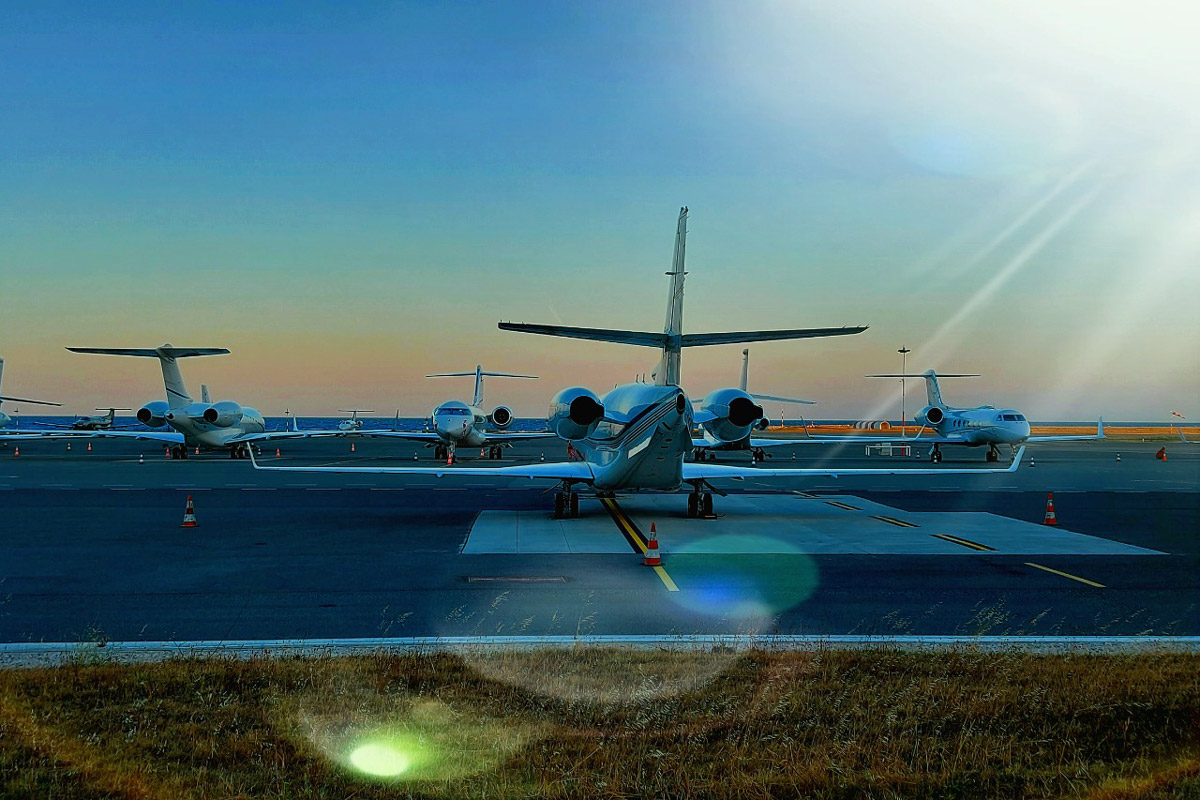
According to WingX, of the 3,860 private flights operated by Russian business aircraft this year as of February 21, 43% were flown by large-cabin business jets, ultra-long-range jets and VIP airliners. As global traffic continues to grow, demand to purchase these aircraft remains high, while very few pre-owned business jets are available on the secondary market.
Will any of the hundreds of aircraft owned or controlled by Russia be offered for sale while sanctions remain in place? exactlyBut the parties may have to go through a minefield of sanctions and other obstacles to close such deals.
Despite extremely complex and rapidly changing sanctions rules around the world, buyers can initiate purchase, lease and financing transactions with non-sanctioned and other Russian entities that can legally sell assets. The seller may have an obvious motivation to generate cash in U.S. dollars or other acceptable currencies to compensate for financial losses associated with economic sanctions against Russia.
Whether or not a Russian citizen is subject to sanctions, the associated reputational risk to organizations can be significant. Other sanctions may still apply which, for example, have resulted in or will result in the seller losing insurance coverage or being unable to purchase parts for maintenance and safe operation of his aircraft.
Although experienced brokers and business aviation lawyers are used to negotiating international deals, the current situation is different from what it was before the Russian special operation in Ukraine. Whether a Russian person (or other non-Russian person) registers as the true owner of an aircraft in Austria, Malta, San Marino or another respected aircraft registry, the owner can legally create a complex network of partnerships, trusts, companies, corporations and other entities that indirectly own the aircraft. In this case, the owner may hide his identity from the parties involved in the transaction.
Similarly, in the U.S., a person who is not a “citizen of the United States” or otherwise does not qualify as a U.S. citizen under the Federal Aviation Regulations, including a Russian citizen, can create a “non-citizen trust” (NCT). An NCT trustee who qualifies as a U.S. citizen for a Russian person (or other non-U.S. citizen) has legal ownership of the aircraft and registers it with the FAA.
By linking a complex ownership structure to NCT’s beneficial interests, Russian individuals or other sellers can create an insurmountable barrier to discovering that they are true beneficial owners. Even before the Russian special operation, such structuring sparked controversy in the U.S. over transparency, abuse and national security risks related to the fact that foreign aircraft owners were not listed on the FAA or the FAA's aircraft registry.
In what may seem like an unintended consequence of sanctions against Russia, any of the thousands of non-Russian individuals who prefer a reverse sale or use a complex ownership structure for tax, trade, security, and other valid reasons could be embroiled in vetting Russian-type transactions.
If the buyer cannot confirm that the seller is a non-sanctioned Russian person or other legitimate seller, the buyer may have to withdraw from the transaction. However, the sale may be continued if a real seller appears or the buyer is able to establish, in consultation with an attorney, that sanctions do not apply or that permission to purchase exists or can be obtained.
Let’s hope that no one in business aviation will turn a blind eye to the human tragedy caused by Russia’s special operation in Ukraine. But private aviation is a business based on deals and relationships, with value and responsibility around the world. It is possible to continue with due care the cross-national purchases and sales of aircraft in which Russian persons may participate, while doing everything possible to support a peaceful and constructive solution in our geopolitical realities.


