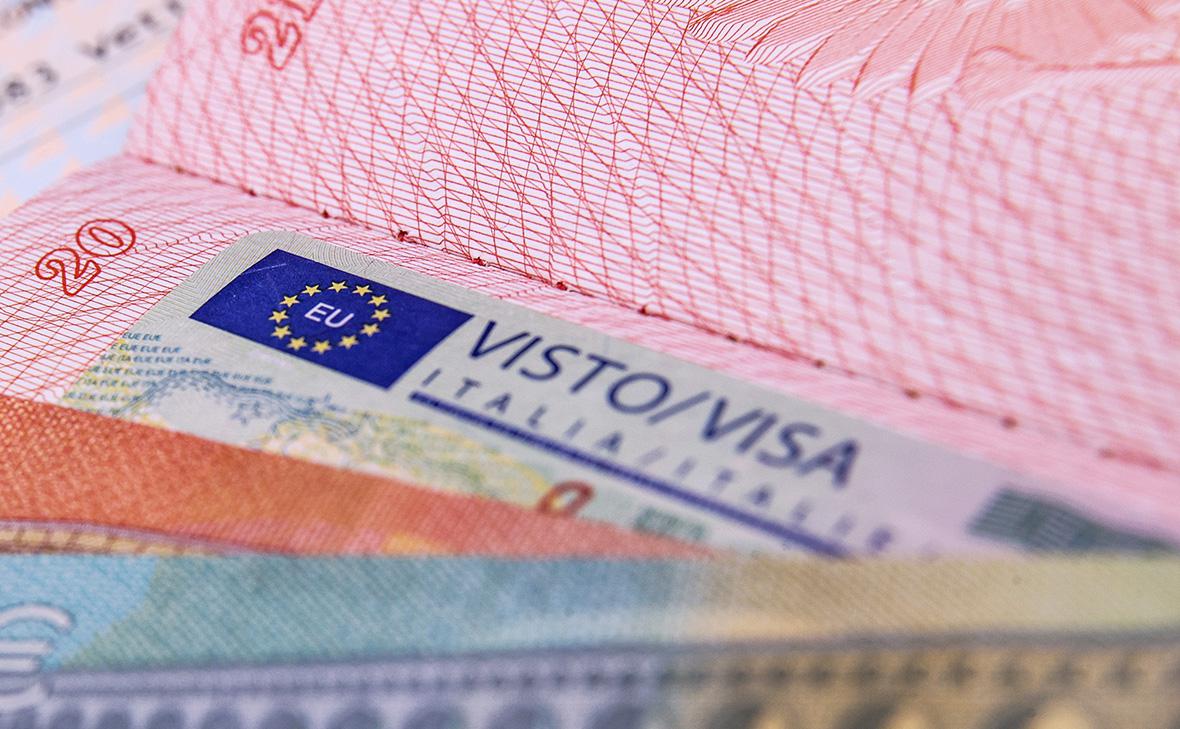
At the beginning of November 2025, the European Commission (EC) announced a new step to tighten the visa policy for citizens of the Russian Federation – now, when issuing new Schengen visas, Russians in most cases will not be able to obtain a multiple-entry visa (multiple-entry); they will be issued, as a rule, a single-entry visa.
What's changed?
• The new rules apply to Russian citizens living in Russia when applying for short-term Schengen visas.
• In most cases, a multiple-entry visa will no longer be issued: Russians will have to submit a new application each time they travel.
• However, there are exceptions: multiple-entry visas can be issued to persons whose reliability and integrity are “indisputable” (for example, opposition activists, independent journalists, human rights defenders), as well as close relatives of EU citizens or EU residents.
• The changes are not retroactive: multi-campus visas already issued remain valid for their validity.
• The issuance of visas remains the responsibility of individual Schengen member states, not directly for the entire European Commission.
Why is this decision made?
The official documents and statements of the Commission and the governments of the Member States state the following reasons:
• Increasing risks in the field of internal security and public policy: among them are cases of interference, sabotage, use of migration for hybrid purposes, possible misuse of visas.
• Russia’s war against Ukraine as the main background: the EU emphasizes that aggression, as well as sanctions against Russia create preconditions for toughening visa practices.
• Desire to strengthen control: the issuance of single-entry visas allows for more frequent verification of applications and reduces the risk of long-term stay or unauthorized use of the visa regime.
What does it mean practically?
For citizens of the Russian Federation planning to travel to the Schengen countries, the changes mean the following:
• When planning a new visit, you will most likely have to apply for a new visa even on frequent trips, since a multiple-entry visa will not be issued.
• Additional checks, stricter selection is possible, especially if the purpose of the trip is tourism.
• If a Russian already has a multiple visa issued earlier, it remains valid until the expiration of the term and conditions of issuance.
• If the applicant falls under an exception (for example, a close relative of an EU citizen, a human rights defender, etc.), then the chances of a multiple-entry visa remain higher.
What are the reactions and consequences
• The decision is seen as part of the EU’s growing pressure on Russia and at the same time as a means to protect internal order and security.
• Some experts warn that the measure will affect ordinary citizens who are not involved in politics or public affairs, and could exacerbate feelings of alienation.
• Since the competence on visas remains with member countries, implementation can be heterogeneous: some states may follow rigidly, others with restraint.
What's important to remember
• The new rules are only for new applications for a visa. Existing visas remain valid.
• Exceptions are provided - it is worthwhile to find out in advance whether you fall under them (family ties, journalism, human rights protection).
• When planning a trip, it is recommended to check the visa requirements in advance at the consulate of the country where you are going, as the member country may further tighten the practice.
• Despite the tightening of conditions, EU countries have not yet introduced a complete ban on visas for Russian citizens - the topic remains a subject of discussion.
Sources:
• «EU toughens visa rules for Russians» — Reuters.
• «EU tightens visa restrictions on Russians over the Ukraine war and acts of sabotage» — AP News.
• «EU bans Russian multi-entry visas over security threats» — RBC-Ukraine.
• «EU moves to end multiple-entry Schengen visas for Russians» — EuromaidanPress.
• “Visa measures – European Commission” – website of the European Commission.


