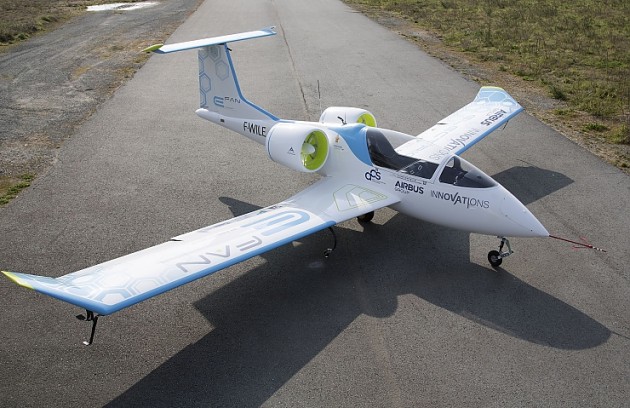
Energy of the future
Since the pandemic, airlines and manufacturers have faced the challenge of not only recovering, but also changing. European countries have already introduced carbon emissions quotas for aviation, accelerating the shift to electric propulsion. Companies like Heart Aerospace (Sweden) and Eviation (USA) in 2025 began test flights of their serial electric aircraft ES-30 and Alice.
Economy without fuel
The main advantage of electric aircraft is to reduce operating costs. According to the International Air Transport Association (IATA), electric propulsion can reduce maintenance costs by 25-30%. This paves the way for the development of short routes – up to 500 km, where traditional liners are economically unprofitable.
Private aviation in trend
Private operators are already considering switching to electric power. Lilium Jet plans to launch air taxi services in the UAE and Germany by 2026. In the long run, electric planes could become the standard for short VIP flights, especially in Europe and Asia.
Environmental factors
The growing interest in sustainable travel is creating new demand, with premium customers increasingly choosing companies with a green strategy. E-planes reduce CO2 emissions to almost zero on short-haul flights, making them part of the global Net Zero 2050 program.
Prospects
Analysts predict that by 2030, the share of electric and hybrid aircraft in the small aviation market will reach 15-20%. Despite limitations in battery range and capacity, technological advances make the transition inevitable. In a few years, the skies over Europe and the Middle East may take the first all-electric routes.
Sources:
- Airbus – “Zero-Emission Aircraft Program”
- IATA – “Electric Aviation and Sustainability Outlook 2025”
- Bloomberg – “Eviation’s Alice Takes Flight: The First All-Electric Passenger Plane”
- Lilium Aviation – “Urban Air Mobility 2026 Roadmap”


